


Down Payment Covered? Don’t Forget Closing Costs: What Florida Buyers Need to Know (Orlando & Miami)
Blog post description.
12/31/20253 min read
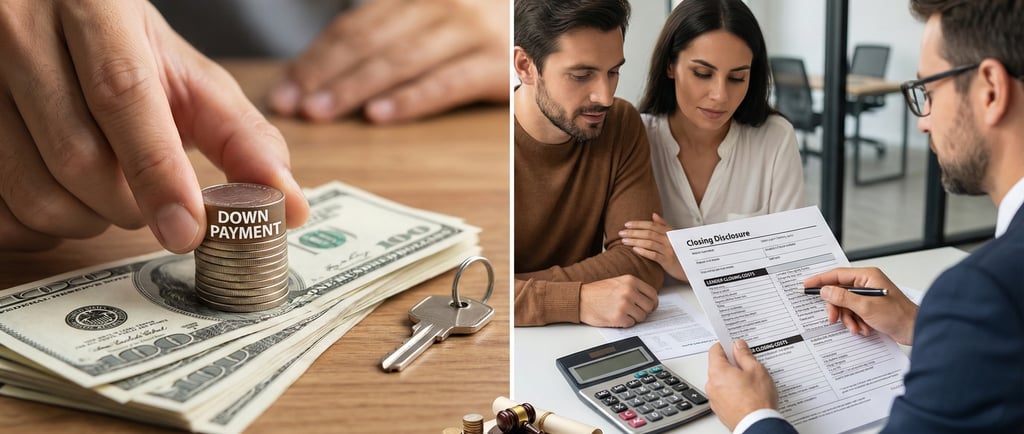

Down Payment Covered? Don’t Forget Closing Costs: What Florida Buyers Need to Know (Orlando & Miami)
I see this more often than you’d think: a buyer gets help with the down payment—through savings, a program, a gift, or a builder incentive—and assumes the “hard part” is over.
Here’s the truth: even if your down payment is covered, you can still need a solid amount of money at closing for closing costs and prepaid items. If you don’t plan for that early, you risk stress, delays, or having to restructure your deal at the last minute.
At Rey New Homes, my job is to keep the process clear and predictable—especially for buyers looking at new homes in Orlando and Miami.
1) Down payment vs. closing costs (not the same thing)
Down payment = the portion of the purchase price you pay up front.
Closing costs = the costs to finalize the transaction and the loan, plus certain items you must pay in advance.
A practical rule of thumb: plan for about 2% to 5% of the purchase price in closing costs (exact numbers vary by loan type, property type, and the details of your transaction).
2) What closing costs usually include (the buckets you must understand)
A) Lender fees (mortgage-related)
These are fees the lender charges to create and process your loan. Depending on the lender, you might see items like:
origination/processing/underwriting fees
discount points (if you choose to buy down the rate)
Some lender fees can vary a lot from one lender to another—so you never want to compare offers only by the interest rate.
B) Third-party and settlement fees
These are costs tied to verifying and transferring the property, such as:
appraisal
title services and settlement/escrow
recording fees
Some of these services can be “shopped” depending on your situation—so it’s worth understanding what’s fixed and what’s not.
C) Prepaids (this is where buyers get surprised)
Prepaids are not “junk fees.” They’re items you typically pay anyway, but they’re collected upfront at closing. For example:
homeowners insurance (first year or a portion upfront)
prepaid interest (depending on your closing date)
escrow setup (if your loan requires escrow for taxes/insurance)
This bucket can be the reason your cash-to-close is higher than you expected—even if your down payment is handled.
3) The two documents that prevent last-minute surprises
If you want clarity, these are your best tools:
Loan Estimate (LE)
This is the early breakdown of your rate, payment, and estimated closing costs. It’s your first chance to spot high fees and compare lenders the right way.
Closing Disclosure (CD)
This is the final version of the numbers you’ll sign at closing. When you receive it, compare it to your Loan Estimate and look for changes—especially in lender fees, title/settlement costs, and prepaids.
Rey’s tip: Don’t just glance at the monthly payment. Always confirm the bottom line: “Cash to Close.”
4) “We’ll cover your closing costs” — what that usually means
When a lender says they can “cover” closing costs, it typically means one of these:
Lender credits: you pay less upfront, but you may accept a higher rate.
Builder incentives (new construction): some builders contribute toward closing costs, often tied to using a preferred lender or title company.
This can be a smart strategy—but only if it fits your plan:
How long will you keep the home or the loan?
Do you prefer lower cash upfront or a lower monthly payment?
Are you optimizing for investment returns or lifestyle?
5) How Florida buyers reduce cash-to-close (real strategies)
Here are the most common ways my clients reduce what they bring to closing:
Negotiate seller concessions (when market conditions allow)
Use new construction incentives strategically (not blindly)
Shop lenders based on total cost, not only interest rate
Choose between points vs credits depending on your timeline
Time the closing date wisely (it can impact prepaid interest and escrows)
6) Quick checklist before you commit to the deal
Before you move forward, make sure you can answer:
What is my total Cash to Close (down payment + closing costs + prepaids)?
How much is lender fees vs third-party fees vs prepaids?
Do I have credits or incentives, and what’s the tradeoff?
If numbers change, who do I contact—and how fast can we fix it?
Having your down payment covered is a win—but it’s not the whole picture. The smartest buyers plan for the full cost of closing early, so they can choose the right lender structure, use incentives correctly, and avoid last-minute stress.
Contact us
Personalized advice for your real estate investment.
Personalized advice
Projects
+1-689-223-8556
© 2025. All rights reserved.